Your express stop for the latest Sound Transit news

A more clean and comfortable ride: Why Link is moving to vinyl seats
We’re listening to riders, testing solutions, and improving the onboard experience.
When passengers talk about what matters most onboard Link light rail, one theme consistently rises to the top: clean, comfortable places to sit.
Over the years, riders have shared concerns about fabric seats looking worn or stained — feedback that Sound Transit has taken seriously.
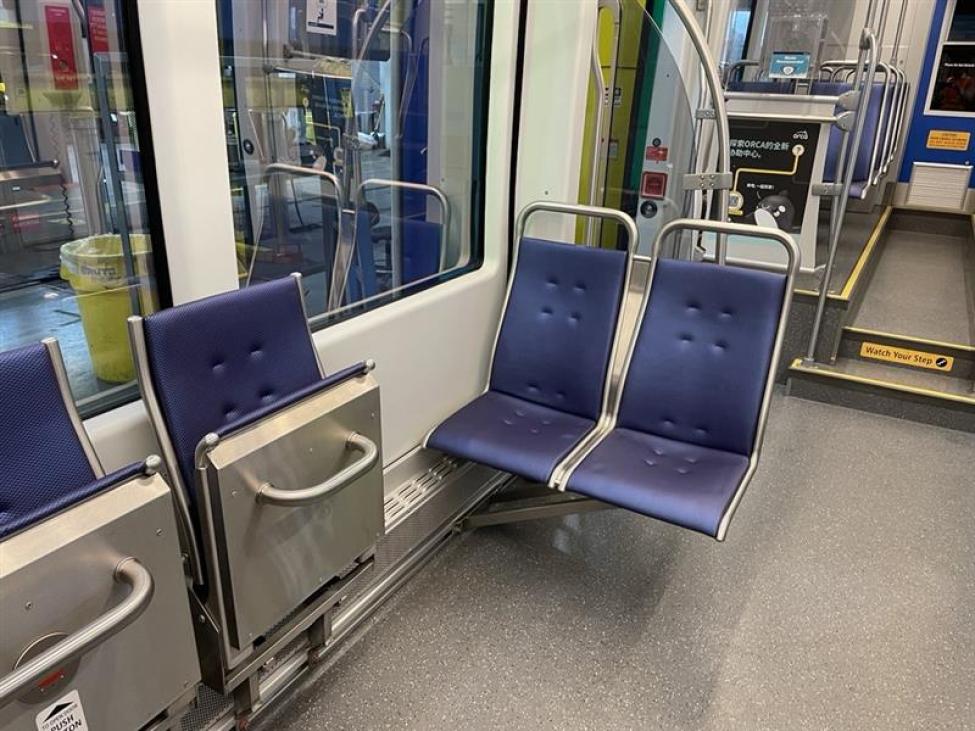
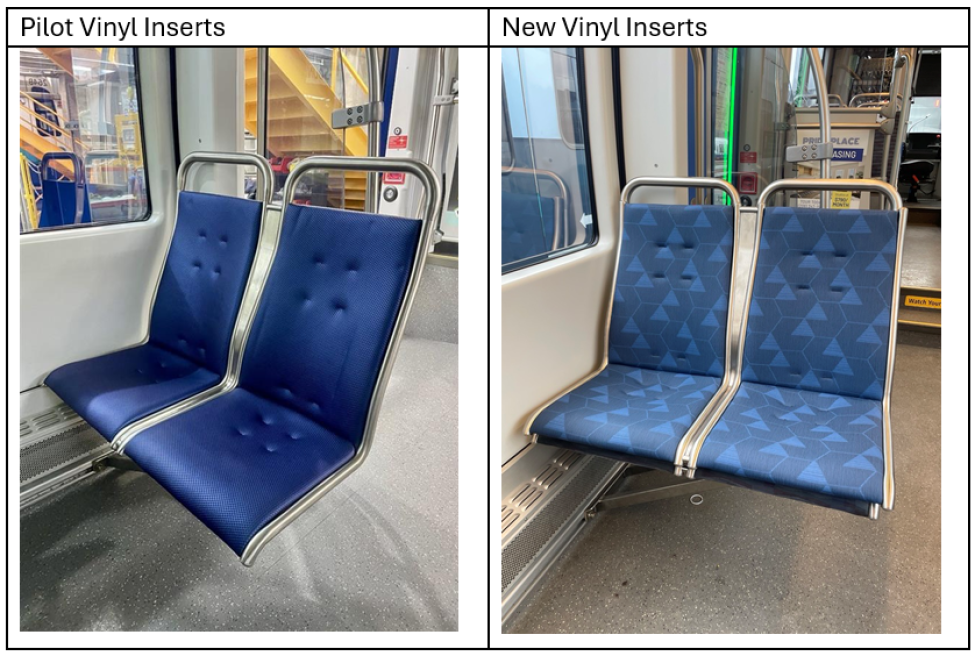
As of November 2024, passengers are seeing a change aimed directly at improving that experience. Sound Transit is replacing the cloth seat inserts on Link light rail vehicles with vinyl inserts, a shift informed by rider feedback, hands-on testing, and a three-month pilot program.
Between March and June 2024, Sound Transit tested vinyl seat inserts on 10 light rail vehicles operating in regular service, while similar vehicles with cloth seats served as a comparison group. During the pilot, riders were invited to share their thoughts through an onboard QR code survey, rating both seat types on cleanliness, comfort, appearance, and overall satisfaction.
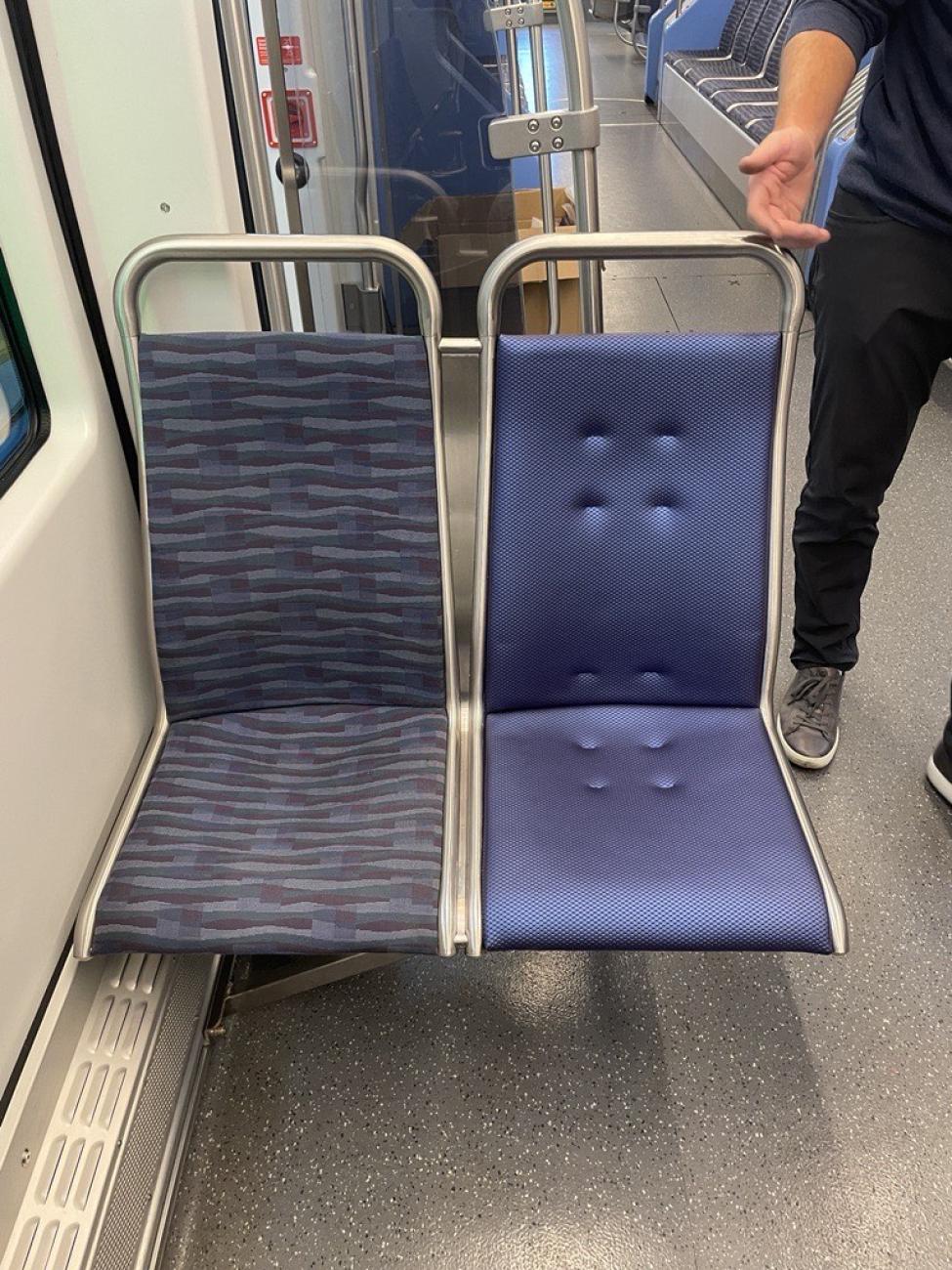
More than 2,300 passengers responded — and the results were clear. Vinyl seats earned higher ratings across every category, with an average satisfaction score of 4.06 out of 5, compared to 3.08 for cloth seats.
Why seating matters to riders
Passenger feedback has consistently shown that cleanliness plays a major role in how riders feel about their transit experience. In the Fall 2023 Passenger Experience Survey, 83% of Link Line 1 respondents reported concerns about cleanliness at stations, stops, or onboard vehicles, with “stains on seats” frequently cited.
During the vinyl seat pilot, riders reinforced this message. When asked to rank what mattered most in a seat, respondents overwhelmingly chose cleanliness first, followed by comfort and appearance.
Vinyl seats scored higher in all three categories, and many riders shared that they felt more comfortable sitting down when the seats appeared cleaner and easier to maintain.
How the pilot worked
The vinyl seat insert pilot was designed to evaluate performance from both the rider’s perspective and the agency’s operational needs.
Ten Series 2 Link light rail vehicles were randomly selected and outfitted with vinyl seat inserts, while ten similar vehicles with fabric seats served as a control group. Because these vehicles were mixed into regular service, riders encountered both seat types naturally as they traveled.
The pilot assessed four key areas:
Passenger preference, measured through onboard surveys
Maintenance labor, including time spent cleaning seats
Ease of installation, based on labor hours and crew feedback
Durability in service, measured through replacement rates and cost
These factors were weighted equally to ensure the decision balanced customer experience with long-term system performance.
What riders told us
Survey responses showed a strong and consistent preference for vinyl seats.
Some riders shared that they often avoid sitting on fabric seats altogether, while others said the vinyl seats made the trains feel newer and better cared for.
Many respondents used the survey as an opportunity to thank Sound Transit for testing the change and encouraged the agency to expand vinyl seating across the fleet.
Taken together, the quantitative data and open-ended feedback made it clear that vinyl seating better aligns with rider expectations for a clean and comfortable ride.
What the data showed behind the scenes
Beyond passenger feedback, the pilot also examined how vinyl seats perform operationally.
Maintenance data showed that vinyl seats take less time to clean than fabric seats, reducing labor hours by about 12.5% per vehicle.
Unlike fabric seats, which often require steam cleaning or full replacement when heavily soiled, vinyl seats can usually be cleaned with disinfectant and a cloth.
Vinyl inserts also offer comparable durability at a lower cost per unit. While both seat types are susceptible to vandalism and general wear, vinyl’s less permeable surface makes it less likely to absorb liquids, which can reduce the need for early replacement.
Over time, these efficiencies help lower maintenance costs while keeping vehicles looking cleaner in service.
Making priority seating easier to identify
As part of the seat replacement effort, Sound Transit is also updating priority seating areas. These seats will feature an embroidered ADA logo, making them easier to identify and serving as a visual reminder to keep these seats available for passengers who need them most.

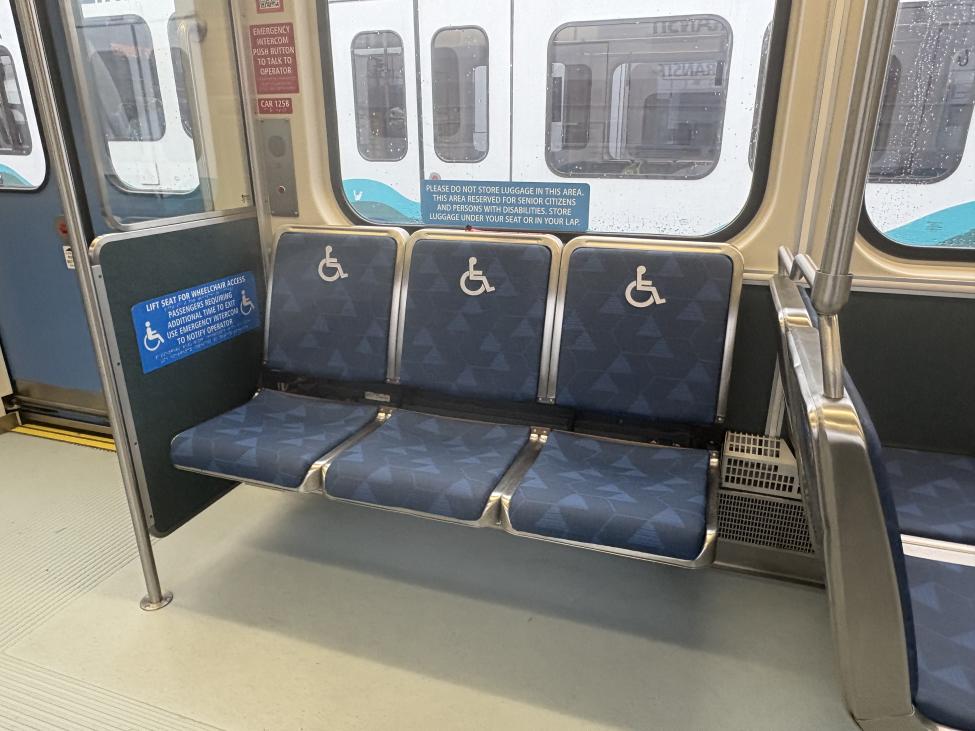
The update supports accessibility by helping riders quickly locate priority seating and reinforcing shared rider etiquette.
What passengers can expect next
Passengers can expect to see more vinyl seats appear across Link vehicles over the coming months as seat inserts are replaced systemwide.
The rollout reflects Sound Transit’s commitment to using rider feedback and real-world testing to guide improvements — large and small — that shape the daily experience of riding transit.
Sound Transit thanks everyone who participated in the pilot survey and shared feedback. Your input directly informed this change and continues to help improve the system for everyone.