Faregates Pilot Project: Request for Industry Feedback (RFIF)
Faregates Pilot Project: Request for Industry Feedback (RFIF)
About the project
Sound Transit’s Fare Gates Pilot Project will retrofit stations to install and test the performance of barrier-style fare gates at up to 14 light rail stations on the Link 1 and 2 Lines.
Seeking industry input
Sound Transit is seeking feedback from design and construction industry professionals to help refine the pilot project scope, procurement approach, contract requirements, and schedule. Agency staff will consider this input as we develop the vendor procurement strategy.
Current project scope
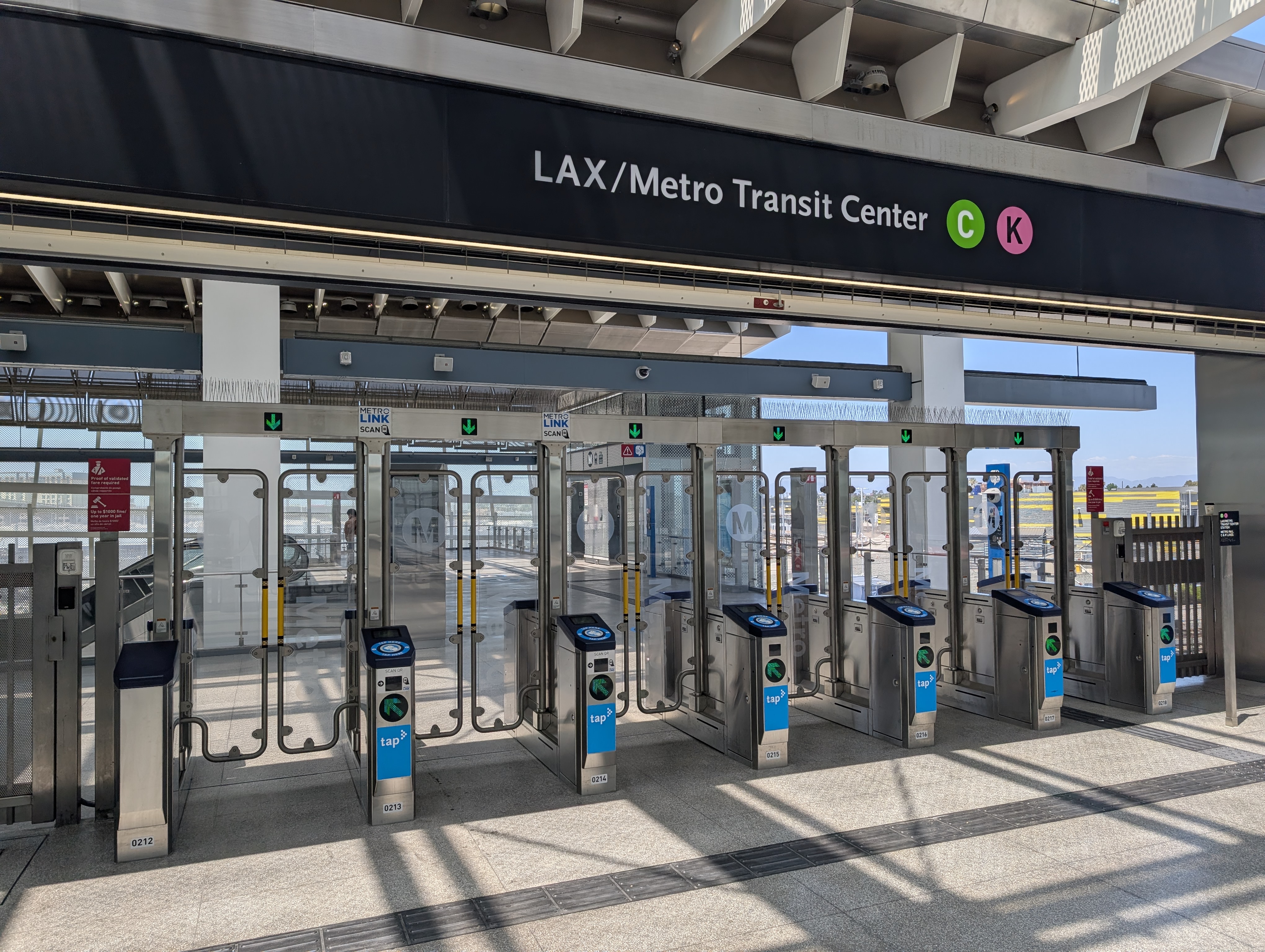
At selected stations, replace wayside validators (ORCA readers) with “high barrier” swinging panel-style fare gates that operate bi-directionally. The fare gates will require presentation of valid fare media to enter and exit the station.
Manufacture fare gates that include fare media validator modules. These modules will accept ORCA cards, contactless bankcards, mobile wallets, and potentially paper tickets.
Install new and/or relocate ticket vending machines (TVMs) to within fare paid zones, providing passengers the ability to purchase fare media so they can exit the station.
Modify existing TVMs to dispense machine-readable media for use with the fare media validator.
Modify back-office system to monitor, manage, and configure the fare gates components.
Install infrastructure such as conduit and cabling, electrical upgrades, passenger assistance phones, and additional security fencing.
Install shelters and screens to protect equipment at outdoor locations.
Retrofit stations with new signage and wayfinding elements.
Pilot project stations
Stations identified for the pilot project include:
Eleven stations in the system’s core serving both the 1 and 2 Lines: SeaTac/Airport Station, International District/Chinatown, Pioneer Square, Symphony, Westlake, Capitol Hill, University of Washington, U District, Roosevelt, Northgate, and Bellevue Downtown stations.
Three termini stations: Lynnwood City Center, Downtown Redmond, and Federal Way Downtown.
-
Learn more in the June 2026 Faregate Assessment Report.
-
Board approves pilot program (August 2026)
-
Contracting, manufacturing, delivery, and installation.
Establish comprehensive Fare Gate Pilot Evaluation Framework for Board approval by end of 2027.
Engage the public and key interest holders — including passengers with disabilities, riders who qualify for reduced fares, and youth — to inform decision making.
Develop ADA and accessible design strategies.
Explore technology solutions for upgrading fare media (paper tickets, youth passes, etc.) and expand enrollment and access.
Update staffing model, including Fare Ambassadors.
-
Fare gates launch (2029/2030)
-
Testing, feedback, and evaluation (2030-2034)