Your express stop for the latest Sound Transit news

A Long Time Coming: Light Rail Across Lake Washington
With the opening of the Crosslake Connection just days away, I’ve been reflecting on the long history of planning, advocacy, and engineering that’s enabled us to finally deliver the world’s first light rail train on a floating bridge. Dreams of mass transit connecting Seattle and Bellevue date back to the 1960s, when plans for a regional rapid transit system were included in a group of ballot initiatives called Forward Thrust.
In 1965, visionary civic leader and chief Forward Thrust advocate Jim Ellis declared in a Seattle Rotary Club speech that, “Rapid transit is the essential link in a balanced transportation system . . .” Many more people today believe this to be the case, myself included.
The first group of Foward Thrust ballot measures in 1968 produced some area landmarks, including parks, highways, the Kingdome, and the Seattle Aquarium. But voters fell short of the 60 percent threshold necessary to fund mass transit, even though the federal government would have picked up about two-thirds of the cost.
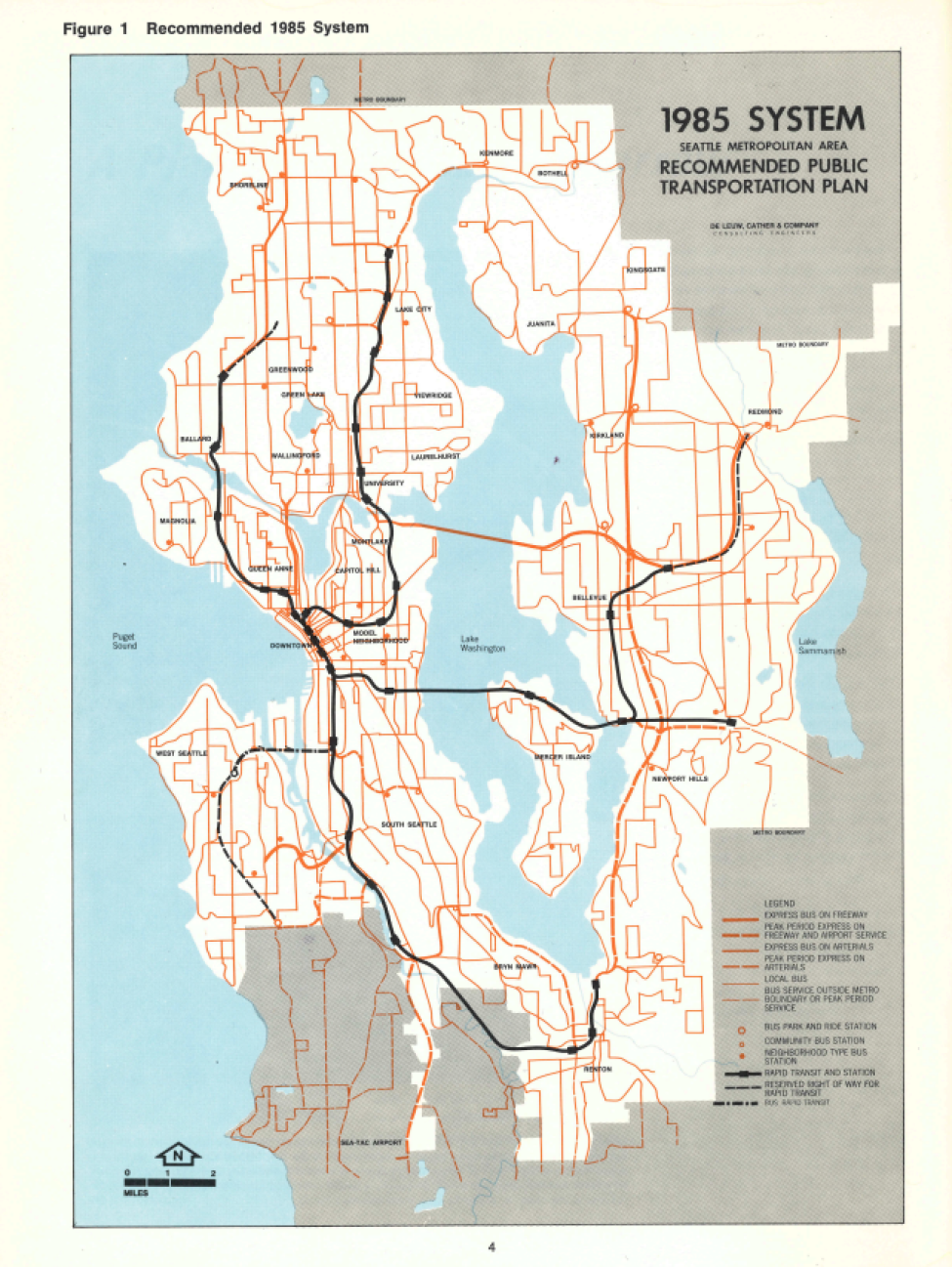
A subsequent 1970 election for rapid transit also failed, in part because it coincided with the Boeing Bust.
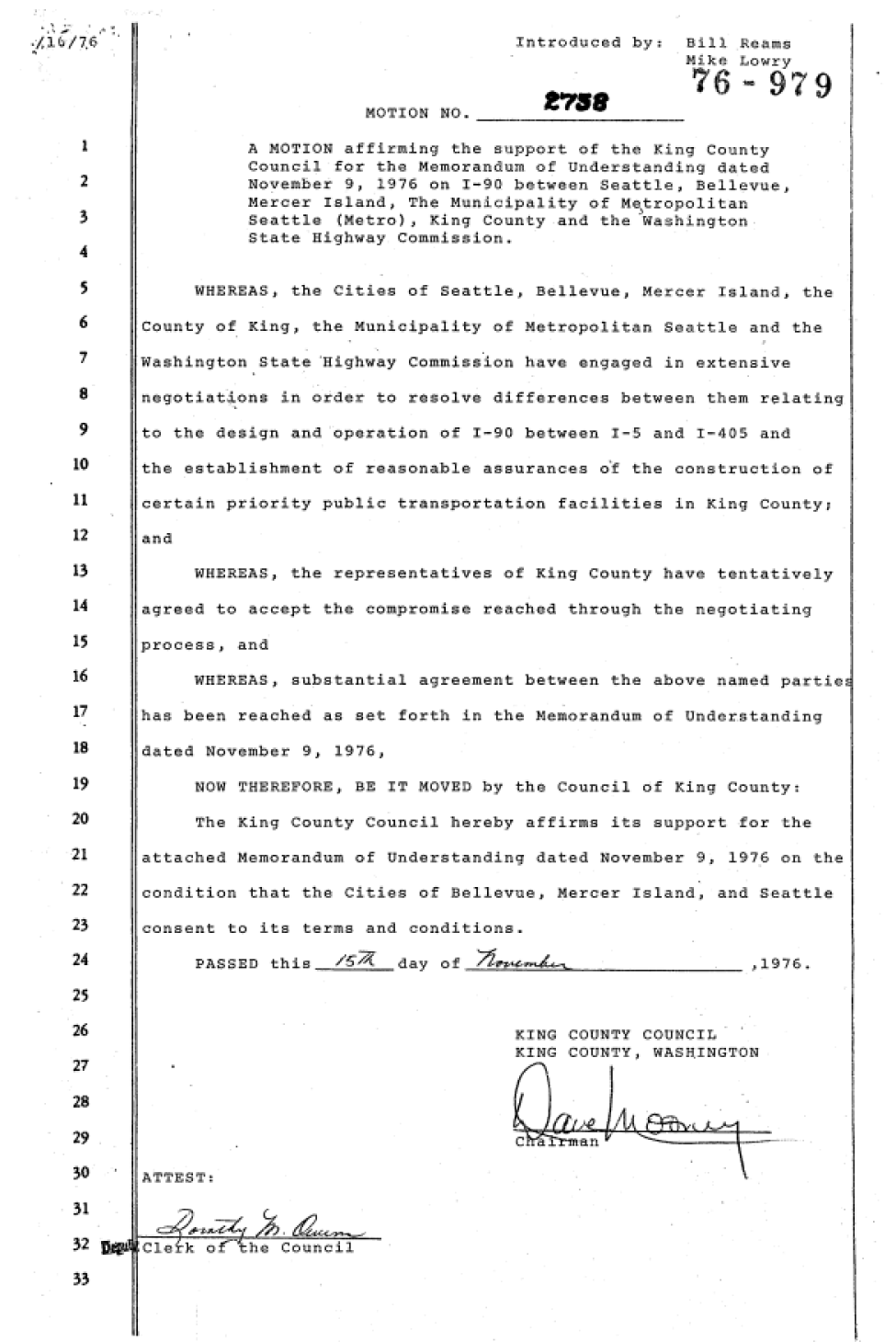
But regional leaders maintained their vision for the future—one that very much included a rail connection across Lake Washington. In 1976, even after the two failed Forward Thrust transit measures, leaders in the Cities of Seattle, Bellevue, and Mercer Island – along with representatives from the State Highway Commission and King County – signed a memorandum of understanding that charted a course to put rail on the I-90 floating bridge.
That agreement articulated that a new bridge to replace the old one would be designed with center lanes that could be converted to transit, and that this use would eventually be prioritized if voters eventually embraced a regional mass transit system.
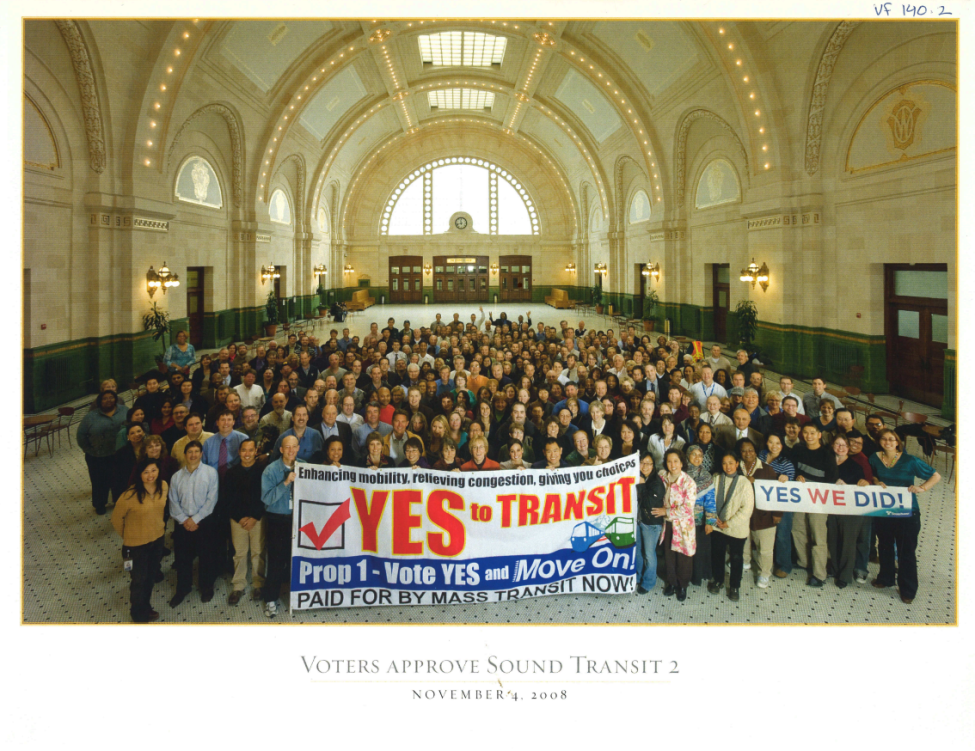
It would be another two decades before Rep. Ruth Fisher sponsored the legislation in Olympia that led to the creation of the Central Puget Sound Regional Transit Authority (now Sound Transit). And then, at long last, voters did begin approving transit measures. The first to pass was Sound Move (1996), a package that funded the initial segment of Link light rail. 12 years after that, in an incredible vote of confidence - considering the first Link trains were still a year away from operating - the region approved Sound Transit 2, which financed the vision initially put forth back in the 1960s.
From there, the challenges became even more complicated.
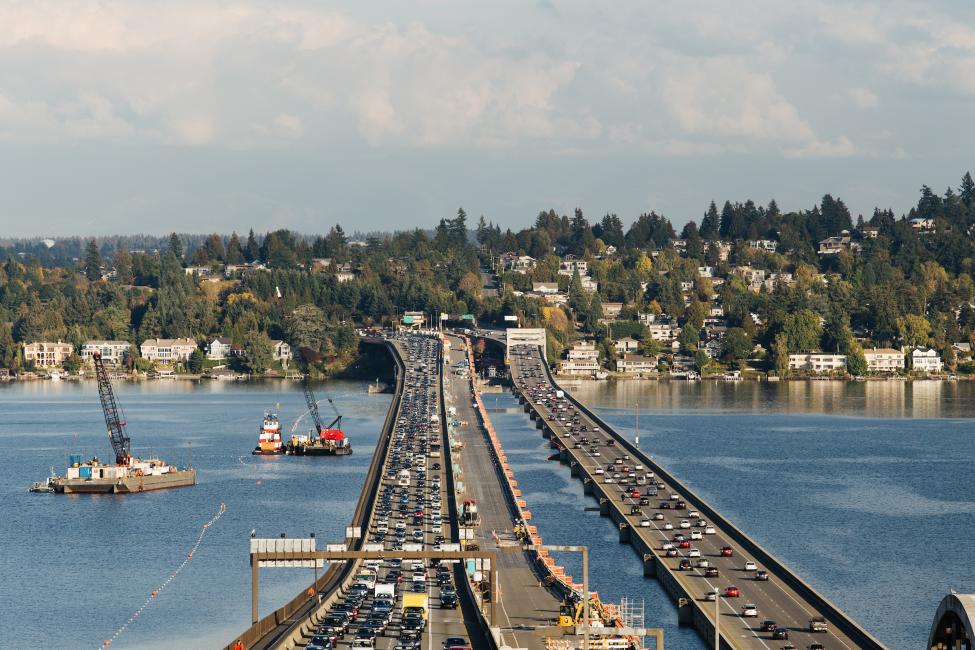
The complexity of engineering required to put fixed rails on a floating bridge is well documented, but the negotiations, collaboration, and litigation that got us to where we are today were also difficult.
Not only did Sound Transit have to invent new track bridges and solve the question of how to protect a floating concrete structure from stray electrical current, we also had to fight existential battles against those who, despite the clear mandate of voters and past leaders, fundamentally opposed putting rail transit on the bridge (or anywhere).
A lawsuit seeking to block the construction of the project went all the way to the Washington State Supreme Court, which ruled decisively in 2013 that the dream of I-90 light rail was not just alive, but resoundingly reaffirmed. This allowed design efforts to begin in earnest.
The center roadway lanes closed in 2017, kicking off the process of building the trackway.
My primary takeaway from this decades-long, complicated and inspiring story is that accomplishing big, ambitious projects takes absolute resolve and a clear-eyed focus on maintaining progress from leaders and voters across generations.
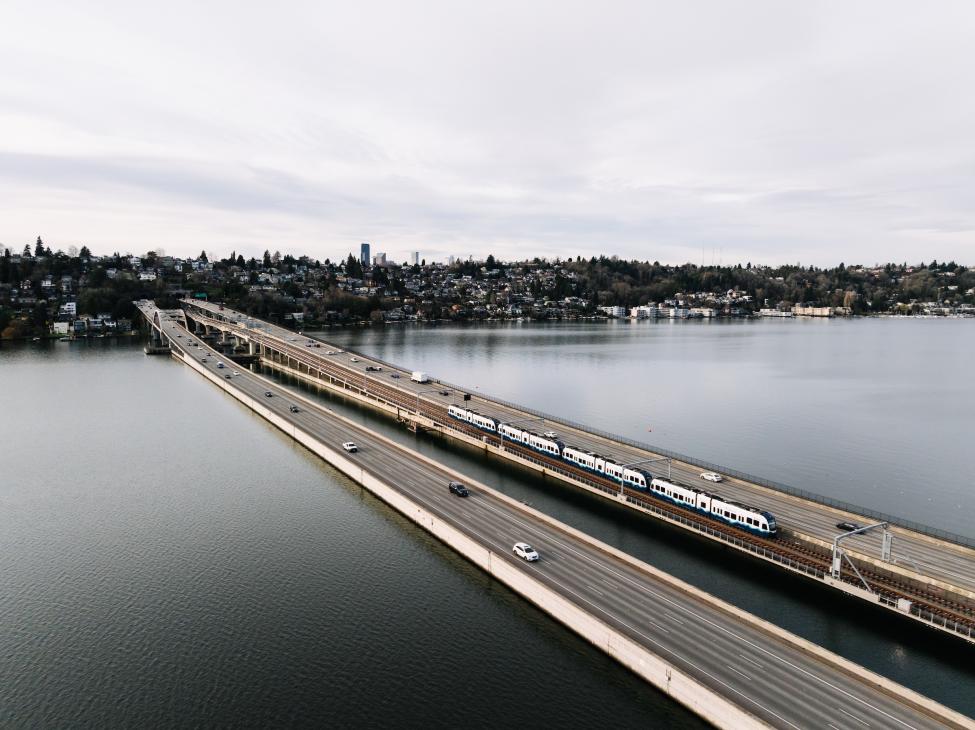
All the leaders who will be out there at the ribbon cutting this Saturday, March 28—rightly touting the tremendous, transformative accomplishment the moment represents—stand on the shoulders of those who have come before us. It has taken generations of advocates to continue advancing a vision for how best to grow our region and serve the people who live here.
The Crosslake opening won’t just represent the beginning of a new era of transit for Central Puget Sound, it will bring to life an idea more than 60 years in the making.